
Everything we’ve said.Everything said back.
Dispatches out, echoes in. Press releases, founders letters, thought leadership, and podcasts on one side of the wire; what the world printed back on the other. Newest first, every word on the record.

Collapsing the Modern Data Stack
Collapsing the modern data stack

With the latest news of pending IPOs, new model releases, government intervention with frontier models, the artificial intelligence momentum continues to increase in scale and velocity. And while the investment mania starts to temper, the potential impact of this new class of technologies continues to inspire individuals, companies, governments, and organizations around the world. We are truly in a time of great opportunity when it comes to technology and society.
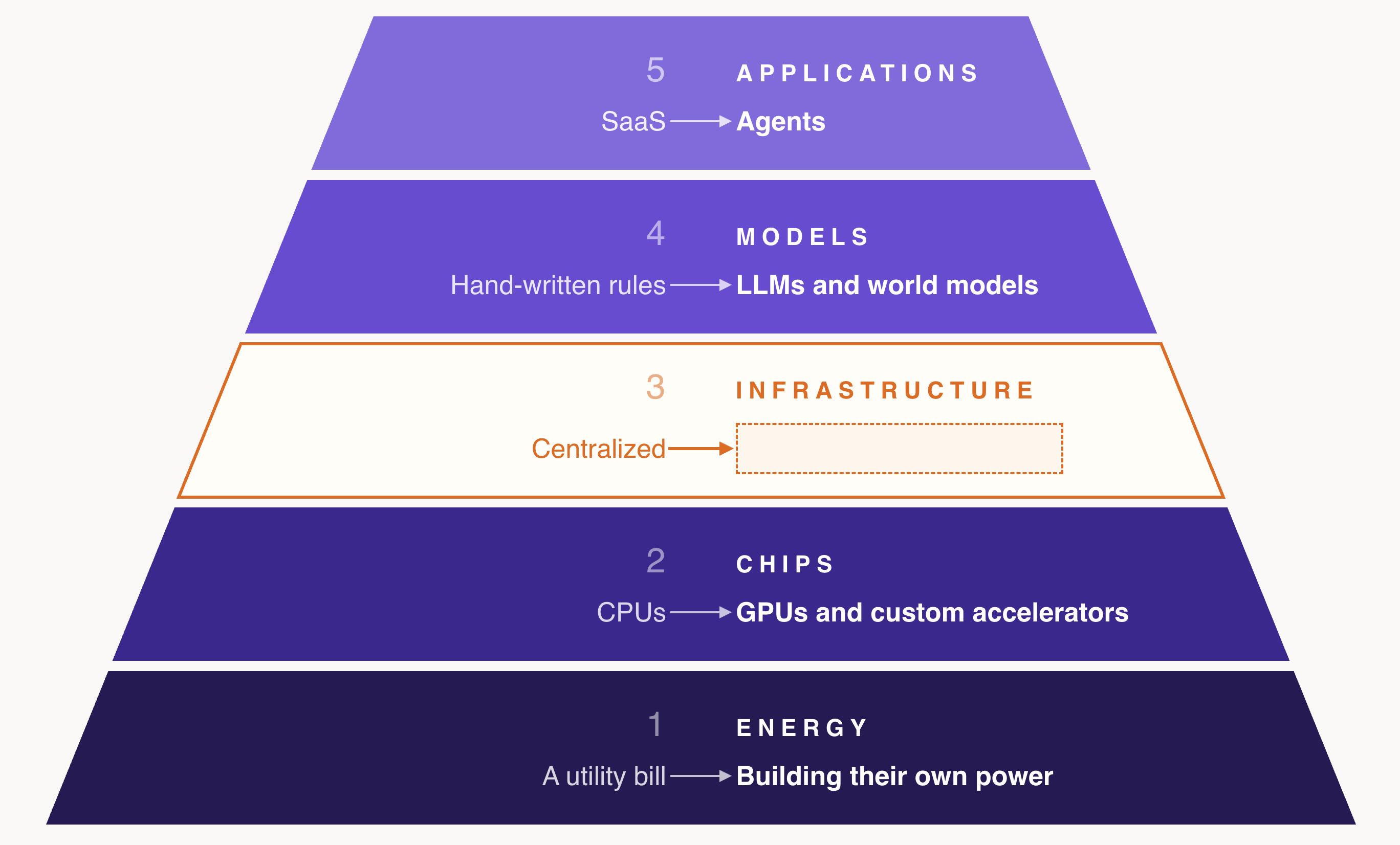
There is however one lingering challenge that largely feels unmet in fulfilling many of the hopes and dreams of artificial intelligence in our society. That has to do with the unit economics of these very expensive frontier models. The scale of the training, inference, and output model requirements continues to expand, and while there are many efficient alternatives from a model perspective, one area that remains untouched is the modern data stack.
It is our opinion that if artificial intelligence is to succeed in applications beyond what we're seeing today, it needs to have access to systems in a secure and real-time way. This goes well beyond the internal context provided by the models themselves and uploaded documents. The connected ecosystem for many organizations is quite vast and requires a tremendous amount of access, ETL, data engineering, pipeline management, and analytics to truly apply the broad nature of deep learning models. This creates a tremendous amount of overhead for any type of workload that goes beyond a simple point solution. This is what crushes the unit economics of AI for organizations and creates the ROI imbalances that we see in current use cases.
Moving in and out of systems in an agentic way can be done in one of two ways:
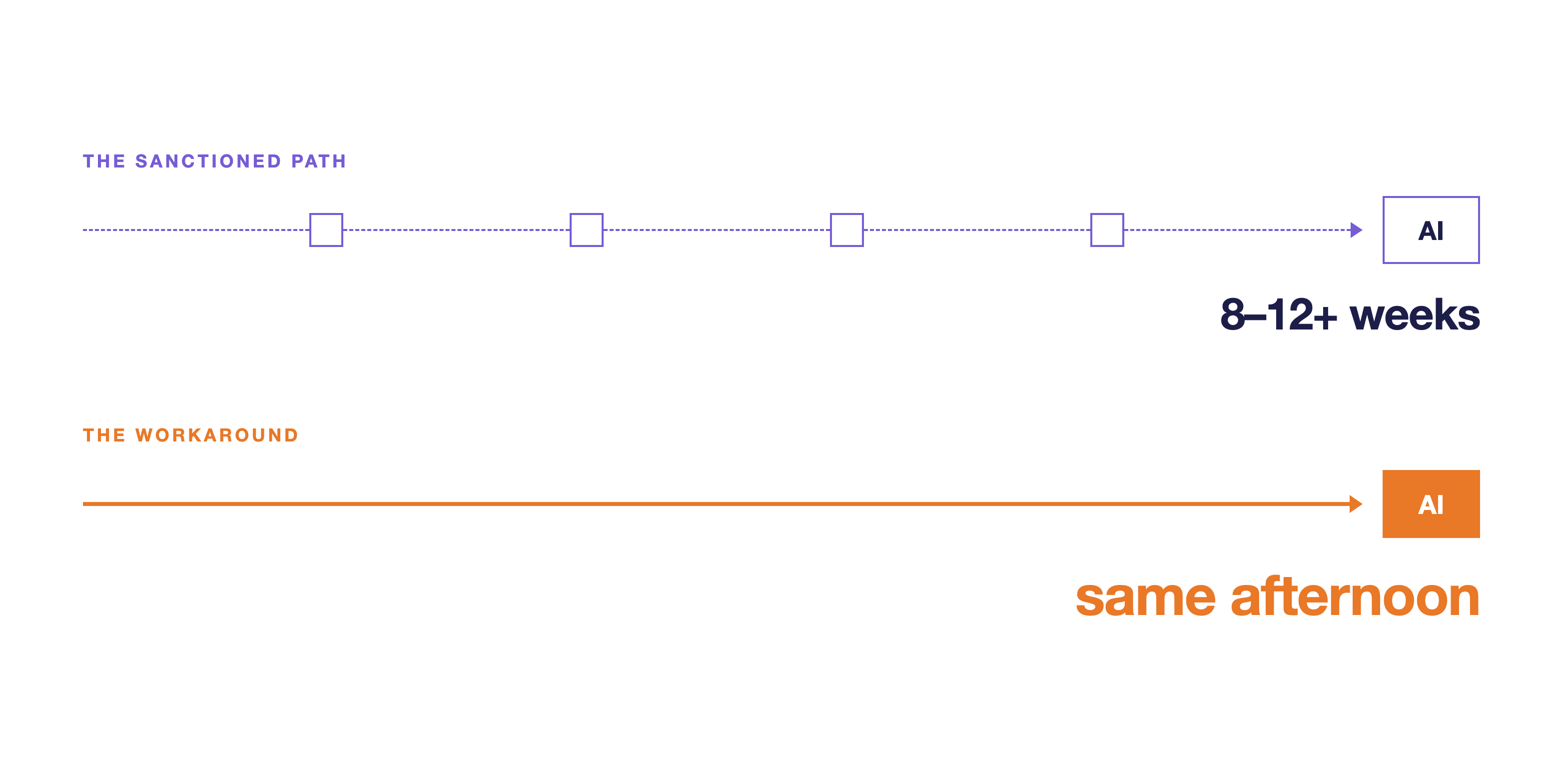
- Through the traditional modern data stack approach of transferring massive amounts of data into a common repository, organizing that data through cleansing and normalization procedures, and making a preset number of actions and analytics the focus of any particular workload.
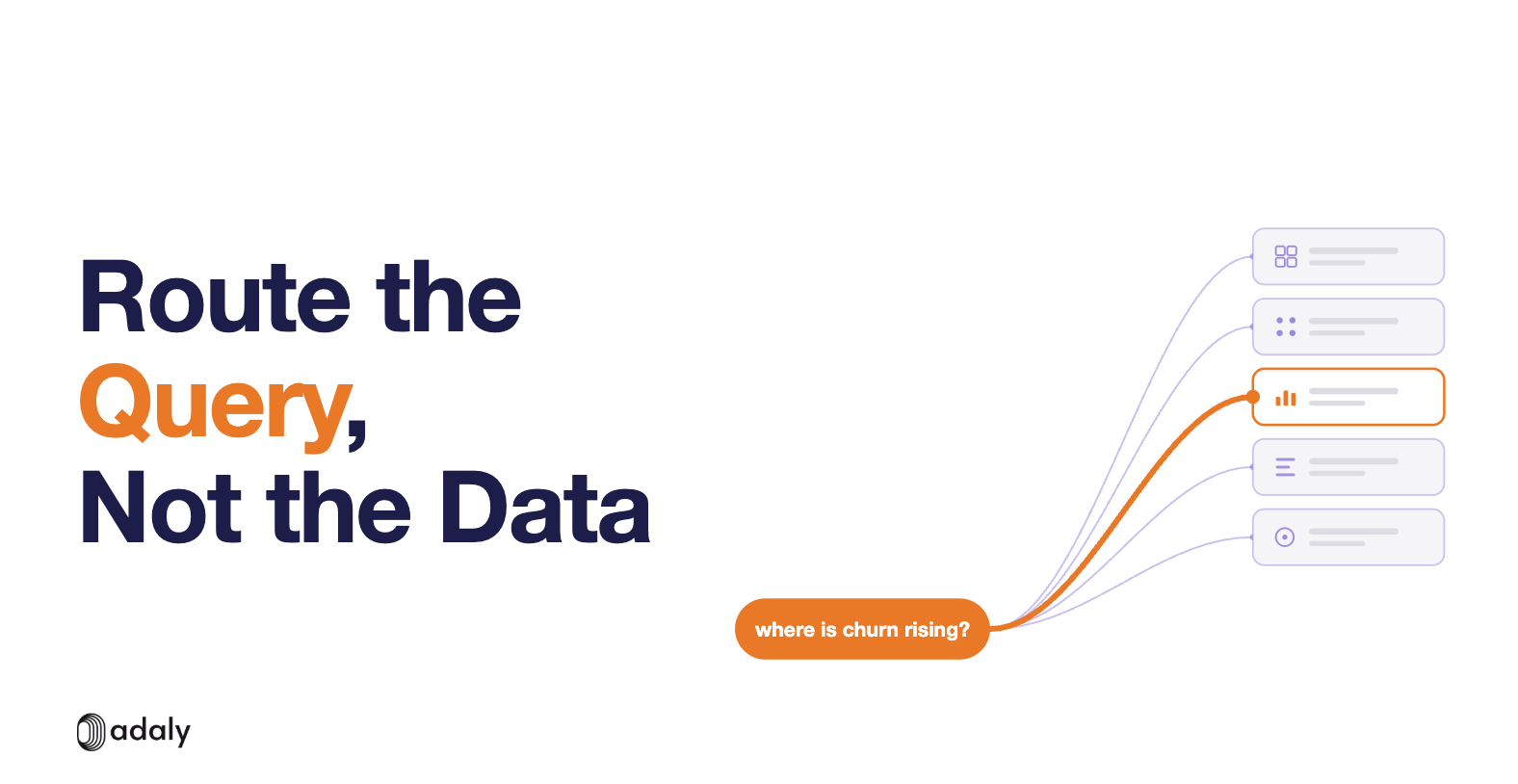
- You can build a federated infrastructure that can deal with the malleability of inputs using the semantic ambiguity that transformers are really good with, and mobilizing data on the fly in a secure way, managing normalization and cleansing post-extraction.
For us at Adaly, we believe collapsing the modern data stack into a single AI-enabled platform that allows organizations to unify the way they read all of their information and write to all of their systems is the right approach. While this may seem contrarian given the massive investments in data warehouses and lake houses, the unit economics of a federated model are far more efficient than the current form. It's also better suited to the base transformer technology that has enabled this new class of artificial intelligence solutions to come to market.
The opportunity landscape is vast with artificial intelligence, and with the right infrastructure partners, you can manifest that reality in a way that doesn't break the bank. The next phase of focus will be the modern data stack. The next real barrier in solving for artificial intelligence in industry










Want it from the source?
Every transmission above is on the record. For interviews, statements, or anything the wire has not carried yet, talk to the people who said it.